Efficiency of Aqueous Extract of Clitoria ternatea L. in controlling Aphis craccivora Koch, 1854 (Aphididae) and Chalcodermus bimaculatus Fiedler, 1936 (Curculionidae) in Cowpea
DOI:
https://doi.org/10.18227/1982-8470ragro.v19i00.8584Resumo
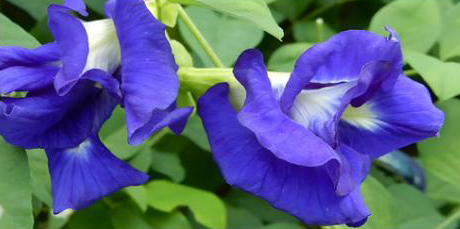
The cultivation of cowpea (Vigna unguiculata (L.) Walp.) is limited by pests such as the black aphid (Aphis craccivora Koch, 1854) and the pod weevil, commonly known as manhoso (Chalcodermus bimaculatus Fiedler, 1936), which significantly reduce productivity and compromise the quality of harvested grains. Within the context of Integrated Pest Management (IPM), the use of plant extracts has been increasingly recognized as a promising alternative to conventional chemical control, with a lower environmental impact. This study aimed at evaluating the effectiveness of an aqueous extract of Cunhã (Clitoria ternatea L.) in controlling these two pests in cowpea cultivation. The experiment was conducted using the UFRR-Grão Verde cultivar, in a completely randomized design with three treatments: Control - water application), Evidence® 700WG insecticide - IMIDACLOPRID 700 g kg-1, 150 g p.c. ha-1; 500 L ha-1 of spray solution, and aqueous extract of Cunhã - 100 g L-1 of water, fresh weight basis, with varying replications. Cowpea rows (9 m) were alternated with strips of Brachiaria ruziziensis (9 m), spaced at 0.8 m apart, used as living barriers between treatments. Applications were carried out at 18, 30, and 46 days after planting (DAP). At 62 DAP, when the pods were physiologically matured, 20 pods per plot were collected to assess the incidence of C. bimaculatus. The extract of Cunhã treatment was effective in controlling A. craccivora, reducing infestation, but was ineffective against C. bimaculatus. The Evidence® 700WG insecticide treatment satisfactorily controlled both pests, demonstrating its effectiveness as the reference chemical treatment.
Downloads
Publicado
Edição
Seção
Licença
Copyright (c) 2025 REVISTA AGRO@MBIENTE ON-LINE

Este trabalho está licenciado sob uma licença Creative Commons Attribution-NonCommercial-NoDerivatives 4.0 International License.
Declaro em meu nome e em nome dos demais autores que aqui represento no ato da submissão deste artigo, à REVISTA AGRO@MBIENTE ON-LINE que: • 1. O conteúdo do artigo é resultado de dados originais e não publicados ou submetidos a outros periódicos. • 2. Além do autor principal, todos os co-autores participaram suficientemente do trabalho para tornar públicas as respectivas responsabilidades pelo conteúdo. • 3. Em caso de aceitação do artigo, os autores concordam que os direitos autorais a ele referentes se tornarão propriedade exclusiva da Revista Agro@mbiente On-line, vedada qualquer reprodução, total ou parcial, em qualquer outra parte ou meio de divulgação, impressa ou eletrônica, sem que a prévia e necessária autorização seja solicitada e que, se obtida, devem constar os agradecimentos à Revista Agro@mbiente On-line do Centro de Ciências Agrárias/UFRR.